
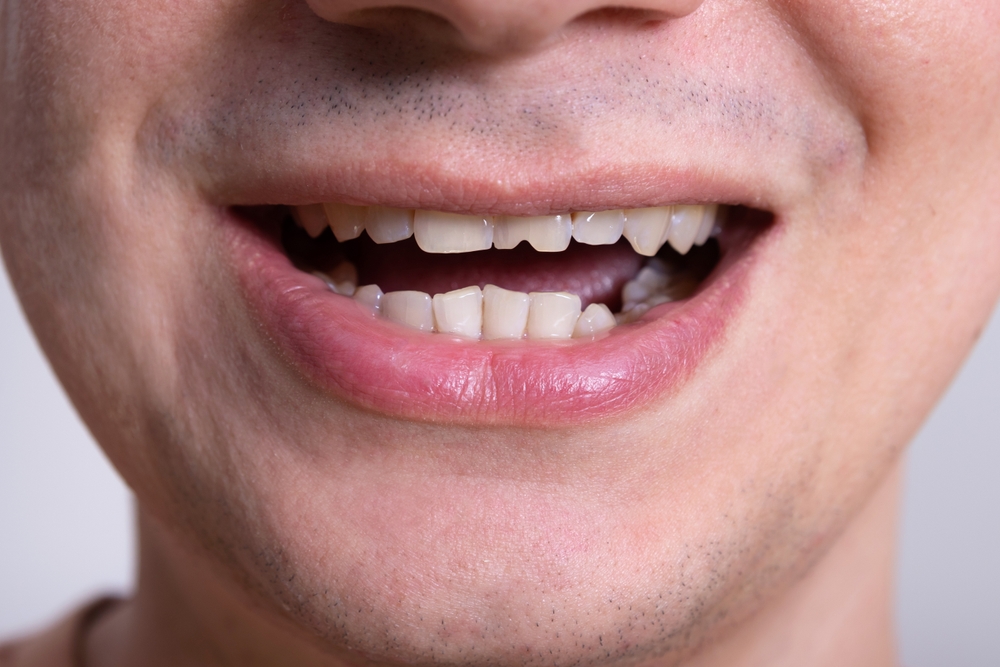
A broken or chipped tooth can happen unexpectedly while eating, playing sports, or experiencing an accidental fall. Although some chips may appear minor, any damage to a tooth should be evaluated by a dental professional. Prompt attention may help reduce discomfort and prevent additional complications.
Knowing what steps to take immediately after a tooth is damaged can make the situation easier to manage until you can see an emergency dentist.
Common Causes of Chipped or Broken Teeth
Teeth are strong, but they are not indestructible. Several situations may lead to fractures or chips, including:
- Biting hard foods such as ice or popcorn kernels
- Sports-related injuries
- Falls and accidents
- Teeth grinding or clenching
- Existing tooth decay that weakens the tooth structure
The severity of damage can range from a small enamel chip to a deeper fracture involving the inner layers of the tooth.
What to Do Immediately After a Tooth Breaks
If a tooth becomes chipped or broken, taking the right steps may help protect the affected area.
Rinse Your Mouth
Gently rinse with warm water to remove debris and help keep the area clean.
Save Any Broken Pieces
If possible, collect and store any tooth fragments. Bring them to your dental appointment, as they may be useful during evaluation.
Reduce Swelling
Applying a cold compress to the outside of the face may help minimize swelling and discomfort.
Avoid Using the Damaged Tooth
Try to chew on the opposite side of the mouth until the tooth can be assessed. Hard, crunchy, or sticky foods may worsen the damage.
Contact a Dental Office
Even if discomfort seems mild, it is important to contact an emergency dentist for guidance and evaluation.
When Is a Chipped Tooth a Dental Emergency?
Not every chip requires immediate treatment, but certain symptoms may indicate the need for urgent care. Seek prompt attention if you experience:
- Significant pain
- Bleeding that does not stop
- Swelling of the gums or face
- Difficulty biting or chewing
- Sharp edges cause injury to soft tissues
- A large portion of the tooth is breaking away
A dental professional can determine the extent of the injury and discuss appropriate treatment options.
Possible Treatment Approaches
The treatment recommended will depend on the severity and location of the damage.
Potential options may include:
- Smoothing minor chips
- Dental bonding
- Crowns
- Root canal treatment when necessary
- Tooth replacement options in severe cases
A family dentist will assess the condition of the tooth and explain available treatment choices based on the patient’s individual needs.
How to Help Prevent Tooth Damage
While accidents cannot always be avoided, certain habits may help reduce the risk of chipped or broken teeth.
Consider the following preventive measures:
- Wear a mouthguard during contact sports
- Avoid chewing ice or hard objects
- Address teeth grinding if it occurs
- Attend regular dental examinations
- Maintain good oral hygiene to help reduce tooth decay
Strong, healthy teeth are generally more resistant to damage than teeth weakened by untreated dental conditions.
Sedation and Patient Safety
If sedation is considered during treatment, Ontario dental professionals are expected to follow RCDSO standards regarding patient assessment, informed consent, monitoring, and patient safety.
Patients should receive clear information about treatment recommendations and available options before any procedure is performed.
Get Timely Dental Care When You Need It!
Whether you are dealing with an unexpected dental injury or looking for ongoing preventive care, Dental House LaSalle provides dental services for patients of all ages. Our team works with patients to assess concerns, discuss treatment options, and provide care tailored to individual oral health needs.