
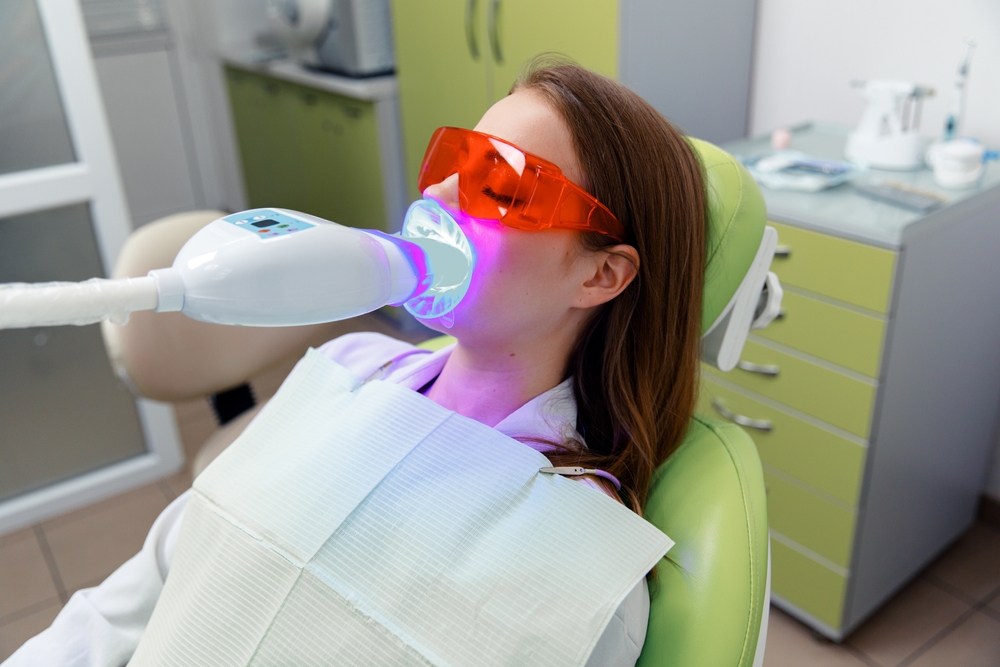
A brighter smile is a common goal for many individuals, and professional teeth whitening is one of the most widely chosen options to address discoloration. However, a common question remains: how often should this treatment be done? The answer depends on several factors, including lifestyle habits, oral health, and the type of whitening method used.
Understanding Professional Teeth Whitening
Professional whitening treatments are designed to lighten the shade of teeth by removing stains and discoloration. These stains may come from food, beverages such as coffee or tea, tobacco use, or natural aging. Compared to over-the-counter products, treatments provided by a dentist in Windsor are typically more concentrated and carefully applied.
Because of this, results may appear more noticeable, but it is still important to approach whitening with balance to protect enamel and overall oral health.
General Guidelines for Whitening Frequency
For most individuals, professional whitening may be done once every 6 to 12 months. This range allows time for the teeth to stabilize after treatment and helps prevent unnecessary sensitivity or enamel stress.
Some people may choose touch-up treatments instead of full whitening sessions. These shorter sessions may help maintain brightness without repeating the entire process too frequently. A dentist in Windsor can suggest a schedule based on individual needs and oral condition.
Factors That Influence Whitening Frequency
Not everyone requires whitening at the same interval. Several factors may influence how often treatment is appropriate:
- Dietary habits: Frequent consumption of staining foods and drinks may cause discoloration to return more quickly.
- Oral hygiene: Consistent brushing and flossing may help maintain whitening results for a longer time.
- Smoking or tobacco use: These habits may lead to faster staining.
- Natural tooth colour: Some individuals may notice changes more quickly than others.
For those seeking teeth whitening in Windsor, discussing these factors with a dental professional may help determine a suitable plan.
Managing Sensitivity After Whitening
Tooth sensitivity is a common concern after whitening treatments. This sensitivity is usually temporary, but repeated treatments too close together may increase discomfort.
Using toothpaste designed for sensitive teeth and avoiding very hot or cold foods immediately after treatment may help reduce irritation. Spacing out whitening sessions appropriately is also important to allow teeth to recover.
Maintaining Results Between Treatments
Maintaining the results of professional whitening involves daily care and mindful habits. Brushing twice a day, flossing regularly, and attending routine dental visits all contribute to longer-lasting brightness.
Limiting foods and beverages that cause staining may also help. When consuming such items, rinsing with water afterward may reduce their impact on tooth colour.
Some individuals may use at-home whitening trays provided by their dental clinic. These can be used occasionally as part of a maintenance routine, under professional guidance.
When to Consult a Dental Professional
It is important to consult a dentist before repeating whitening treatments. Discoloration may sometimes be linked to underlying issues such as cavities or enamel wear, which should be addressed first.
A dental assessment ensures that whitening is safe and appropriate. It also helps avoid overuse, which may affect the structure of the teeth over time.
Refresh Your Smile with Thoughtful Care!
If you are considering teeth whitening or want to maintain your current results, the team at Dental House LaSalle offers guidance based on your individual needs. Our approach focuses on safe and consistent care to support your oral health goals.