
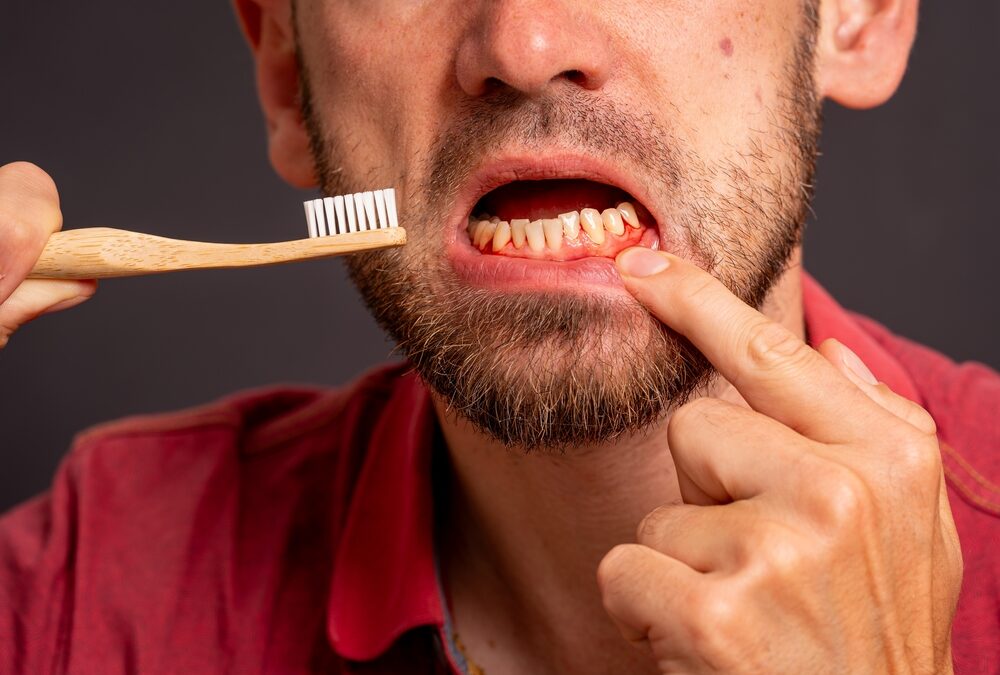
Tooth decay and gum disease are among the most common oral health problems. They develop slowly but can have lasting effects if left untreated. By taking simple daily steps and seeking regular care from a Family Dentist, you may reduce your risk and keep your teeth and gums strong.
Daily Brushing and Flossing
Brushing twice a day is one of the most effective ways to remove plaque, the sticky film that causes tooth decay. Use a soft-bristle toothbrush and fluoride toothpaste. Flossing once a day is just as important since it removes food particles and plaque from areas your toothbrush cannot reach. These small daily habits may help prevent cavities and gum irritation.
Balanced Nutrition for Oral Health
What you eat has a direct impact on your teeth and gums. Sugary snacks, sodas, and sticky foods encourage the growth of bacteria that produce acids, which can lead to tooth decay. Instead, focus on a diet rich in vegetables, lean proteins, and calcium-rich foods such as dairy products. Drinking plenty of water also helps wash away food particles and keeps your mouth hydrated. A Family Dentist may also recommend fluoride treatments if your diet or water source lacks adequate fluoride.
Importance of Regular Dental Visits
Visiting a Family Dentist every six months allows for early detection of issues that you may overlook at home. Professional cleanings remove tartar, which cannot be removed with brushing alone. During these visits, your dentist can also examine your mouth for early signs of gum disease, cavities, or other potential concerns. Early treatment may help prevent more serious dental problems later on.
Recognizing Signs of Gum Disease
Gum disease often begins with mild symptoms such as bleeding when brushing or flossing. Other signs may include swelling, redness, and persistent bad breath. If left untreated, gum disease can affect the bone that supports your teeth. Catching these symptoms early and seeking advice from your Family Dentist may help keep your gums healthier.
Protecting Your Teeth Beyond Brushing
In addition to brushing and flossing, there are other ways to protect your teeth:
- Use a fluoride mouthwash to strengthen your enamel.
- Avoid smoking and tobacco products, which contribute to gum disease.
- Wear a mouthguard if you grind your teeth at night or play contact sports.
- Limit frequent snacking to give your teeth time to recover from acid exposure.
The Role of Preventive Care
Preventive care focuses on maintaining oral health before problems arise. Your Family Dentist may recommend sealants for children to protect their molars, or customized care routines tailored to your specific needs. Prevention is less costly and less invasive than treating advanced decay or gum disease, making it an essential part of lifelong dental care.
Take the Next Step for Your Oral Health!
Preventing tooth decay and gum disease is possible with consistent daily care, wise dietary choices, and regular visits to a Family Dentist.
Looking for a dental team for your family’s ongoing care? Visit Dental House LaSalle to schedule your next appointment and learn how preventive care may support your long-term dental health.